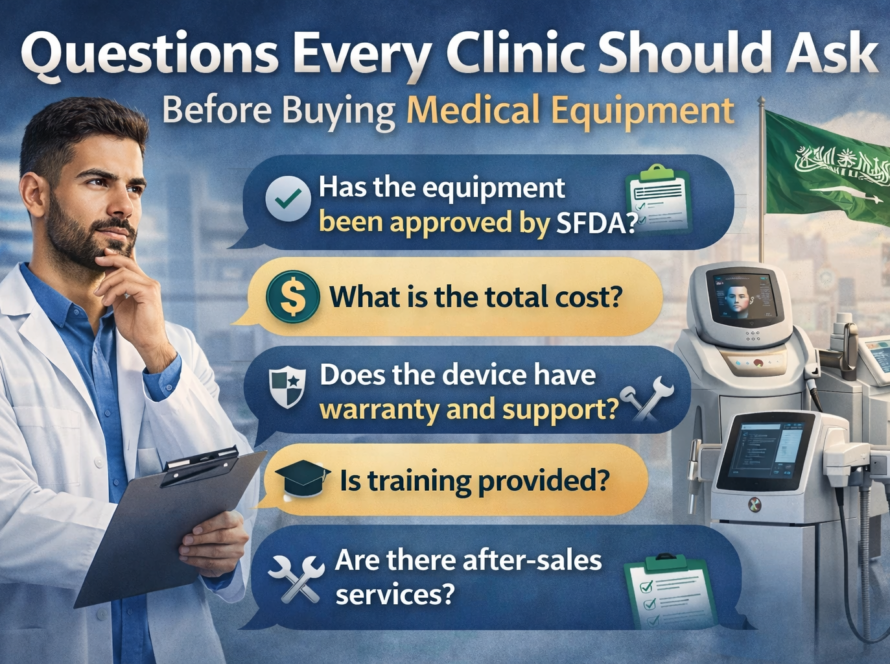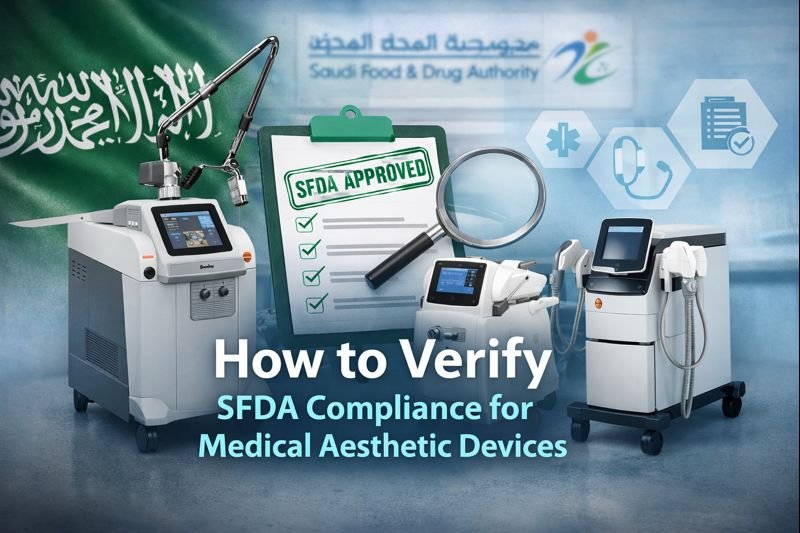
Procuring medical aesthetic devices in Saudi Arabia is no longer just about performance or price. Compliance with SFDA medical device regulations is now a core responsibility for procurement teams, clinic owners, and hospital administrators.
As regulatory oversight increases under Vision 2030, non-compliant equipment exposes organizations to legal risk, operational disruption, and reputational damage. This guide explains, in simple and practical terms, how to verify SFDA compliance before purchasing medical aesthetic devices in KSA.
Why SFDA Compliance Matters in Saudi Healthcare Procurement
SFDA compliance is not only a regulatory requirement. It is a procurement responsibility.
Non-compliant devices can lead to inspection failures, forced device shutdowns, invalid warranties, and insurance complications. For procurement teams, verifying compliance early reduces legal exposure and prevents long-term operational disruption.
Understanding SFDA Medical Device Regulations in Saudi Arabia
The Saudi Food and Drug Authority regulates all medical devices used in healthcare and aesthetics.
What qualifies as a regulated medical aesthetic device
Medical lasers, energy-based systems, body contouring devices, and related platforms fall under SFDA medical device oversight.
Device classification and risk categories under SFDA
Devices are classified based on risk level. Higher-risk devices require stricter registration, documentation, and post-market monitoring.
Registration requirements for aesthetic technologies
Global approvals do not replace local SFDA registration. Each device must be registered specifically for use in Saudi Arabia.
Step 1. Verifying SFDA Device Registration
The first and most critical verification step is confirming that the exact medical aesthetic device is registered with the Saudi Food and Drug Authority.
SFDA registration applies to the specific device model, configuration, and intended clinical use. Registration of a similar or older model does not guarantee compliance.
How to check if a device is registered with SFDA
Procurement teams should request the official SFDA registration certificate directly from the supplier. This document should clearly list the device name, model number, and manufacturer as registered for use in Saudi Arabia.
Whenever possible, registration details should be cross-checked against official SFDA records rather than relying on verbal confirmation.
Understanding SFDA listing numbers and documentation
Each registered device is assigned an SFDA listing number. This number must match the exact model and configuration being offered, including software versions or optional modules if applicable.
Any mismatch between the listing and the supplied device creates a compliance gap.
Common red flags in device registration
Common compliance risks include partial registrations, use of umbrella certificates covering multiple devices, mismatched model names, or missing documentation. These issues often surface during inspections and can result in immediate corrective action.
Step 2. Confirming the Distributor Is Licensed in KSA
A device that is correctly registered with SFDA can still become non-compliant if it is supplied through an unlicensed distributor.
Why a licensed medical equipment distributor in KSA matters
A licensed distributor is legally authorized to import, sell, install, and support medical devices within Saudi Arabia. Licensing confirms that the distributor meets SFDA and Ministry of Health requirements.
Authorized distributors versus third-party resellers
Authorized distributors operate under formal regulatory oversight and manufacturer agreements. Third-party resellers or brokers often lack accountability, technical capability, and compliance responsibility.
Risks of grey-market devices
Grey-market devices expose procurement teams to audit failure, invalid warranties, lack of spare parts, and absence of qualified service engineers. These risks typically emerge after installation, when corrective action becomes costly.
Step 3. Verifying Manufacturer Authorization
Manufacturer authorization confirms that the distributor is officially approved to represent the device brand in Saudi Arabia.
Importance of manufacturer authorization letters
An authorization letter issued by the manufacturer proves that the distributor has permission to sell, install, service, and support the device in KSA. This document is often requested during audits and inspections.
What defines an authorized dealer in Saudi Arabia
An authorized dealer is named directly by the manufacturer for the Saudi market, with defined scope covering sales, service, and technical support.
Example of authorized manufacturer relationships
When sourcing systems from Quanta System, procurement teams should verify that the supplier holds a valid manufacturer authorization specifically covering Saudi Arabia, not a neighboring market or regional distributor.
Step 4. Evaluating After-Sales Support and Maintenance Compliance
Compliance responsibilities continue throughout the operational life of the device.
Why medical laser maintenance in Saudi Arabia is a compliance issue
SFDA requires that medical lasers and energy-based devices are maintained, calibrated, and serviced according to manufacturer guidelines. Maintenance records form part of regulatory compliance and patient safety assurance.
Service contracts and uptime requirements
Procurement teams should verify the existence of formal service agreements, defined response times, spare parts availability, and escalation procedures for technical issues.
Training and preventive maintenance standards
Operator training, preventive maintenance schedules, and service logs must be documented and kept up to date. Missing records are a common audit finding during inspections.
Step 5. Documentation Every Procurement Team Should Request
A complete and compliant procurement file should include all required documentation before purchase approval.
Mandatory procurement documents
- SFDA registration certificates
- Distributor trade license and healthcare activity
- Manufacturer authorization letters
- Warranty and service agreements
- Training records and user certification
Missing or incomplete documentation is one of the most frequent reasons for compliance delays and audit observations.
Common Compliance Mistakes Procurement Teams Should Avoid
Even experienced procurement teams can face compliance issues when verification steps are skipped or assumptions are made.
Assuming brand reputation equals local compliance
A strong international brand presence does not guarantee that a device is registered with SFDA for use in Saudi Arabia. Devices without proper local registration can fail inspections, leading to forced removal from service and regulatory penalties.
Purchasing based on price alone
Low-cost offers often come through unlicensed channels. These purchases frequently lack valid warranties, service agreements, or spare parts availability, creating compliance gaps that surface during audits or device failures.
Ignoring long-term maintenance obligations
Medical aesthetic devices require documented maintenance, calibration, and servicing. Without a clear service plan, clinics risk unexpected downtime, failed inspections, and interruption of patient services.
How Compliance Protects Clinics, Hospitals, and Patients
Verified compliance directly supports safe and uninterrupted healthcare delivery.
Compliance ensures that devices are used as intended, maintained correctly, and supported through licensed channels. This protects patient safety, maintains treatment consistency, and reduces exposure to legal claims or insurance disputes.
For institutions, compliance supports accreditation, inspection readiness, and long-term operational stability.
Why Procurement Teams Prefer Working With Authorized Partners
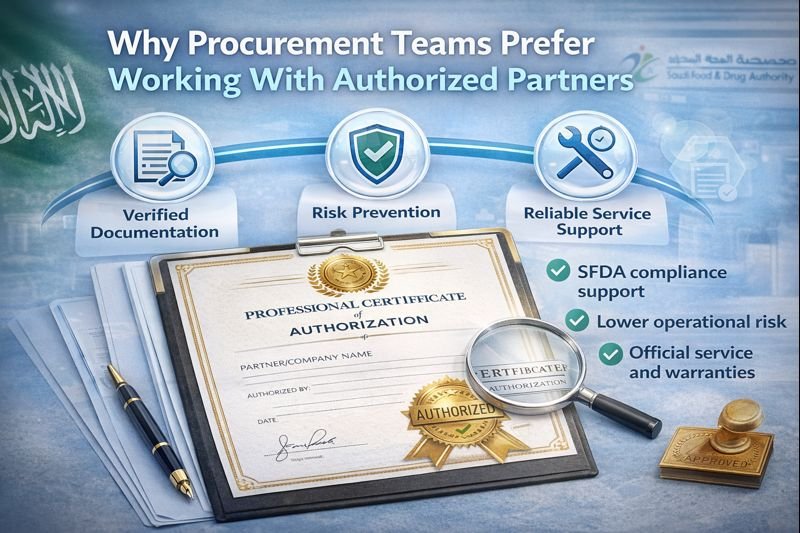
Authorized partners reduce compliance and operational risk throughout the device lifecycle.
They provide complete and verifiable documentation, support SFDA audits, and ensure that devices remain operational through qualified service and maintenance. This reduces administrative burden, minimizes downtime, and protects procurement teams from post-purchase compliance issues.
Working With a Trusted Partner in Saudi Arabia
Aramed supports procurement teams by supplying SFDA-compliant medical aesthetic devices through licensed distribution channels.
Through its local regulatory knowledge and technical infrastructure, aramed.sa helps clinics and hospitals meet KSA healthcare compliance requirements with confidence.
The Future of Medical Device Compliance in Saudi Arabia
Under Vision 2030, regulatory scrutiny is increasing. Digital documentation, stricter audits, and lifecycle tracking are becoming standard. Procurement teams that adopt proactive compliance verification today will be better prepared for future regulations.
Key Takeaways for Procurement Teams in Saudi Arabia
- SFDA compliance is a procurement responsibility.
- Device registration must match the exact model supplied.
- Distributors must be licensed and authorized in KSA.
- Manufacturer authorization is essential.
- Maintenance and service documentation are mandatory.
- Authorized partners reduce long-term risk.
Conclusion
Verifying SFDA compliance is not an administrative task. It is a strategic safeguard that protects procurement teams from regulatory risk, operational disruption, and long-term liability.
By following structured verification steps and working with authorized partners, procurement teams ensure patient safety, maintain uninterrupted clinical operations, and protect institutional credibility in Saudi Arabia’s increasingly regulated healthcare environment.
Compliance, when handled correctly, becomes a foundation for sustainable procurement rather than a reactive obligation.
FAQ’s
Q. What are SFDA medical device regulations?
SFDA medical device regulations govern the registration, distribution, use, and maintenance of medical devices in Saudi Arabia to ensure safety, quality, and compliance.
Q. How can I check if a medical aesthetic device is SFDA registered?
You should request the official SFDA registration certificate and verify that the device model and configuration match exactly what is being offered.
Q. Why is buying from a licensed medical equipment distributor in KSA important?
Licensed distributors ensure legal compliance, valid warranties, proper service support, and protection during audits or inspections.
Q. What risks are associated with non-compliant medical devices?
Risks include regulatory penalties, device shutdowns, lack of service support, legal liability, and reputational damage.
Q. Is medical laser maintenance part of SFDA compliance?
Yes. Proper maintenance, calibration, and documentation are essential components of ongoing compliance for medical lasers and energy-based devices.
Q. Why should procurement teams work with authorized dealers?
Authorized dealers provide verified documentation, manufacturer support, and long-term service reliability, reducing procurement and operational risk.