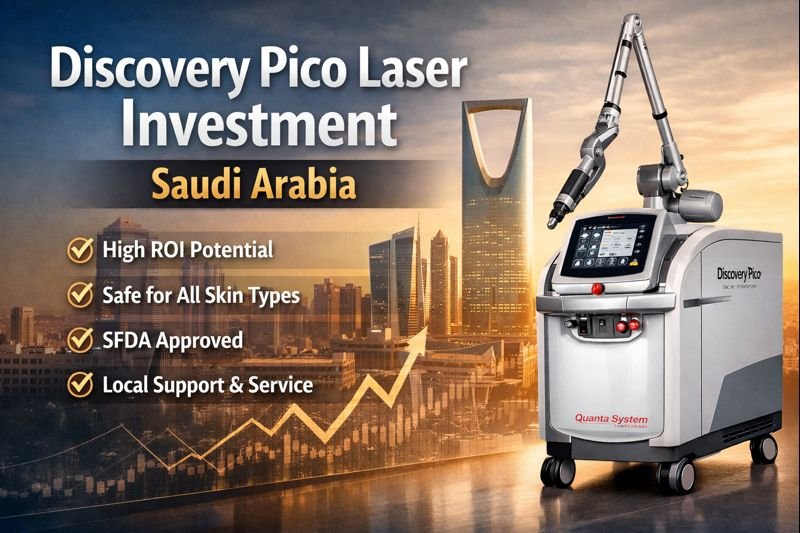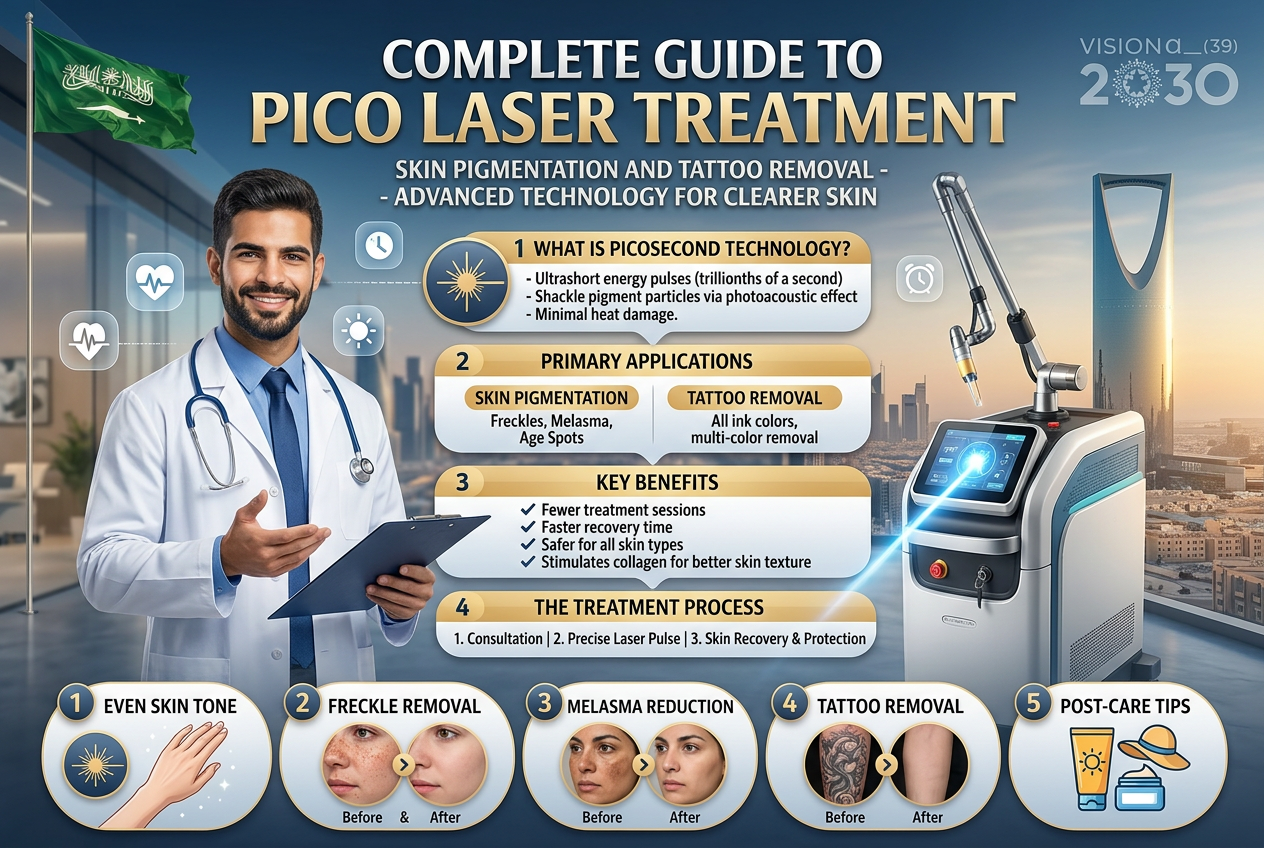
Pico laser treatment is widely used in dermatology clinics to treat skin pigmentation, remove tattoos, and improve skin texture. This advanced laser technology uses ultra short pulses of energy to break pigment particles in the skin with high precision.
Unlike traditional laser systems that rely mainly on heat, pico laser technology works through a photoacoustic effect. The laser pulse shatters pigment particles into extremely small fragments. The body then removes these fragments naturally over time.
Because of its precision and versatility, pico laser treatment has become an important tool for modern dermatology and aesthetic clinics. Clinics across Saudi Arabia and the GCC region increasingly adopt advanced laser systems supplied by specialized medical distributors such as Aramed, which supports dermatology clinics with modern aesthetic laser technology and clinical training.
What Is Pico Laser Treatment
Pico laser treatment is a non-invasive dermatology procedure that uses picosecond laser pulses to target pigmentation and tattoo ink in the skin.
A picosecond is one trillionth of a second. This extremely short pulse duration allows the laser energy to break pigment particles without causing excessive heat damage to surrounding skin tissue.
Traditional lasers often work in nanoseconds and rely more on thermal energy. Pico lasers deliver energy much faster, which improves pigment fragmentation and treatment precision.
How Pico Laser Technology Targets Pigment
When the laser pulse enters the skin, it interacts with melanin or tattoo ink particles. The energy rapidly breaks these particles into smaller fragments.
These fragments become small enough for the body’s immune system to gradually eliminate them through natural processes.
The Photoacoustic Effect in Pico Laser Treatment
The photoacoustic effect is a key mechanism behind pico laser treatments. The laser pulse creates a pressure wave that shatters pigment particles.
Because the pulse is extremely short, the treatment causes less thermal damage compared with many traditional laser systems. This allows dermatology clinics to treat pigmentation and tattoos with improved safety and precision.
Skin Conditions Treated With Pico Laser
Pico laser technology is used to treat several common skin concerns in dermatology clinics.
Hyperpigmentation and Dark Spots
Hyperpigmentation occurs when excess melanin forms dark patches on the skin. Pico lasers target the melanin particles and break them down so the body can remove them gradually.
Melasma
Melasma is a complex pigmentation condition often caused by hormonal changes or sun exposure. Pico laser treatment may help reduce melasma by breaking down pigment clusters in the skin.
Tattoo Removal
Tattoo ink contains dense pigment particles that can be difficult to remove. Pico laser technology can break these particles into very small fragments, allowing the body to clear them over several treatment sessions.
Acne Scars and Skin Texture
Some pico laser devices stimulate collagen production in the skin. This helps improve skin texture and reduce the appearance of acne scars.
Step by Step Pico Laser Treatment Process
Pico laser treatment follows a structured clinical process to ensure safety and effectiveness.
Consultation and Skin Assessment
The dermatologist first evaluates the patient’s skin type, pigmentation condition, and treatment goals. This assessment helps determine whether pico laser treatment is appropriate.
Laser Treatment Session
During the procedure, the laser device delivers controlled pulses to the treatment area. The session typically lasts between 10 and 30 minutes depending on the size of the treatment area.
Patients may feel mild warmth or a snapping sensation as the laser pulses interact with the skin.
Post Treatment Skin Care
After treatment, the skin may appear slightly red or sensitive. Dermatologists usually recommend gentle skin care and sun protection to support healing.
Benefits of Pico Laser Treatment
Many dermatology clinics prefer pico laser technology because it offers several advantages.
Precise Pigment Targeting
The ultra short laser pulses allow accurate targeting of pigment particles without spreading heat to surrounding tissue.
Minimal Downtime
Most patients experience mild redness or swelling that resolves within a short time. Recovery is usually faster than many traditional laser procedures.
Effective for Multiple Skin Concerns
Pico laser devices can treat pigmentation, tattoo ink, acne scars, and certain skin texture concerns, which makes them versatile tools in aesthetic clinics.
Pico Laser Before and After Results
Results from pico laser treatment appear gradually as the body removes fragmented pigment particles.
For pigmentation treatments, improvement can often be seen after several sessions. Tattoo removal may require multiple sessions depending on the size, color, and depth of the tattoo ink.
Dermatologists usually schedule treatments several weeks apart to allow the skin to recover and the body to process the pigment fragments.
Recovery and Aftercare After Pico Laser Treatment
Proper aftercare helps support skin recovery and improve treatment results.
Immediate Skin Reactions
After the procedure, patients may notice mild redness, swelling, or temporary sensitivity in the treated area.
Healing and Recovery Timeline
Most patients recover within a few days. The skin gradually improves as pigment fragments are cleared by the body.
Skin Care After Treatment
Dermatologists typically recommend using gentle skin care products and applying sunscreen regularly. Protecting the skin from sun exposure is important during the recovery period.
How Many Pico Laser Sessions Are Required
The number of sessions varies depending on the condition being treated.
Pigmentation treatments may require several sessions for optimal results. Tattoo removal often requires multiple treatments because the ink particles must be gradually broken down and removed.
Dermatologists determine the treatment plan based on skin type, pigmentation depth, and the patient’s overall skin condition.
Is Pico Laser Treatment Safe
Pico laser treatment is generally safe when performed by trained dermatology professionals using certified medical laser devices.
The ultra short pulse duration reduces heat exposure in surrounding skin tissue. This helps lower the risk of skin damage compared with some traditional laser technologies.
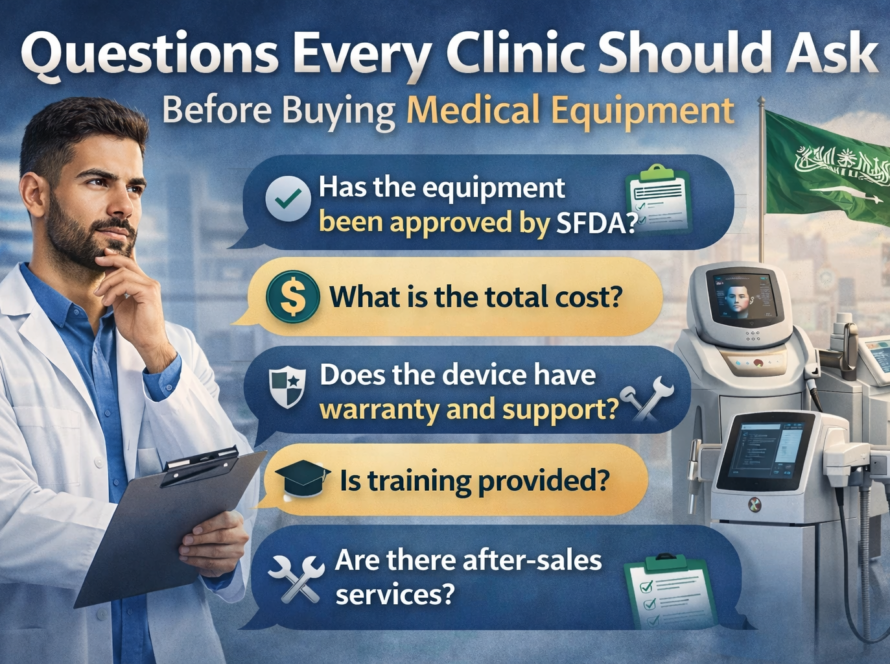
How Clinics Choose Pico Laser Devices
Dermatology clinics carefully evaluate several factors when selecting laser equipment.
Laser Technology and Pulse Duration
True picosecond laser technology provides the ultra short pulse duration needed for effective pigment fragmentation.
Treatment Capabilities
Clinics often choose devices that can treat multiple skin concerns, including pigmentation, tattoos, and skin rejuvenation.
Clinical Training and Technical Support
Proper training is essential for safe and effective treatments. Medical distributors such as Aramed support dermatology clinics by providing advanced aesthetic laser systems, training programs, and technical support for medical professionals.
Conclusion
Pico laser treatment has become an important technology in modern dermatology and aesthetic medicine. Its ability to break down pigment particles with high precision makes it effective for treating pigmentation, removing tattoos, and improving skin texture.
As demand for non-invasive skin treatments continues to grow, many dermatology clinics rely on advanced pico laser systems to deliver safe and effective results. With the support of specialized medical distributors like Aramed, clinics across the region can access modern laser technology and the expertise needed to provide high quality skin treatments.
Frequently Asked Questions
What is pico laser treatment
Pico laser treatment is a dermatology procedure that uses ultra short picosecond laser pulses to break down pigment in the skin. Clinics use this technology to treat hyperpigmentation, melasma, and tattoos. The laser shatters pigment particles into tiny fragments that the body gradually removes through natural processes.
How does pico laser remove pigmentation
Pico laser targets melanin pigment in the skin using extremely fast pulses of laser energy. These pulses create a photoacoustic effect that breaks pigment clusters into smaller particles. Over time, the body clears these particles through the lymphatic system, which helps lighten dark spots and uneven skin tone.
Can pico laser remove tattoos
Yes. Pico laser technology is widely used for tattoo removal in dermatology clinics. The laser energy breaks tattoo ink particles into microscopic fragments. These fragments are gradually removed by the body, which allows the tattoo to fade after multiple treatment sessions.
How many pico laser sessions are needed
The number of sessions depends on the skin condition being treated. Pigmentation treatments may require several sessions, while tattoo removal typically requires more sessions because ink particles must be broken down gradually. Dermatologists usually schedule treatments a few weeks apart for safe healing.
Is pico laser treatment safe
Pico laser treatment is considered safe when performed by trained dermatology professionals using certified medical devices. The ultra short laser pulses reduce heat exposure to surrounding skin tissue, which helps minimize the risk of burns or long recovery times compared with older laser technologies.
What skin conditions can pico laser treat
Pico laser treatment can help treat several skin concerns, including hyperpigmentation, melasma, tattoo ink, acne scars, and uneven skin tone. Because the technology targets pigment with precision, it is widely used in aesthetic and dermatology clinics.
What is the recovery time after pico laser treatment
Recovery time after pico laser treatment is usually short. Patients may experience mild redness or swelling for a few hours or days depending on the treatment area. Dermatologists usually recommend gentle skin care and sun protection during the healing period.
How do dermatology clinics choose pico laser devices
Clinics evaluate several factors when selecting a pico laser machine, including pulse duration, treatment versatility, safety certifications, and clinical support. Medical distributors such as Aramed help dermatology clinics access advanced laser systems and provide training for safe and effective treatments.