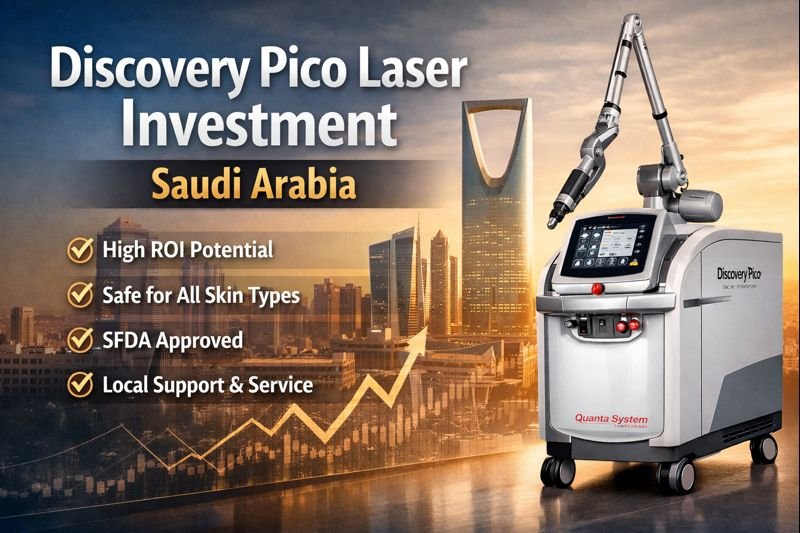
Modern dermatology clinics use advanced laser systems to treat various skin conditions. One of the most important technologies used today is pico laser technology. This laser system is widely used for pigmentation treatment, tattoo removal, skin rejuvenation, and acne scar improvement.
Pico laser devices work by delivering ultra short pulses of laser energy into the skin. These pulses break down pigment particles with high precision while minimizing heat damage to surrounding tissue. Because of this mechanism, many dermatology and aesthetic clinics prefer pico laser systems for treating pigmentation and tattoo ink.
In Saudi Arabia and across the GCC region, clinics rely on advanced dermatology technologies supplied by medical distributors such as Aramed, which provides modern aesthetic laser devices and clinical support for dermatology practices.
What Is Pico Laser Technology
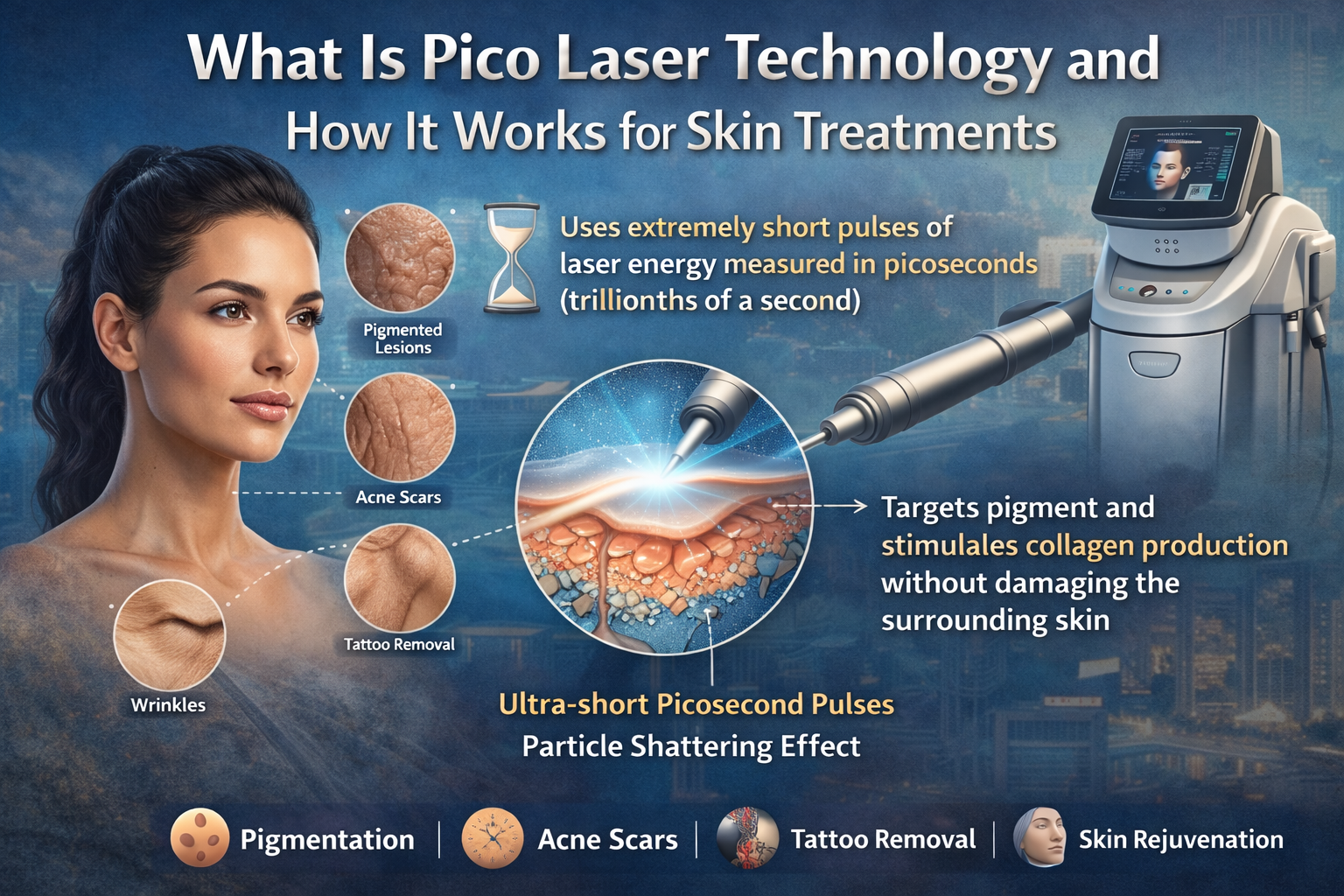
Pico laser refers to a laser system that delivers energy in picoseconds, which is one trillionth of a second. This extremely fast pulse duration allows the laser to target pigment in the skin more precisely than traditional laser systems.
Traditional lasers often work with nanosecond pulses. Pico lasers operate much faster. The shorter pulse duration produces strong mechanical energy that breaks pigment particles into smaller fragments.
These fragments are gradually cleared by the body through natural biological processes. Because the treatment relies on mechanical energy rather than heat, the surrounding skin experiences less thermal damage.
Why It Is Called Picosecond Laser
The term picosecond laser comes from the pulse duration used by the device. A picosecond is one trillionth of a second.
By delivering energy at this speed, pico lasers create rapid pressure waves that shatter pigment particles. This allows dermatologists to target pigmentation and tattoo ink with greater precision.
Faster pulses also help reduce heat exposure to surrounding tissue, which improves treatment safety.
How Pico Laser Technology Works
Pico laser devices use concentrated pulses of laser energy that interact with pigment particles in the skin. Instead of slowly heating the pigment, the laser pulse breaks it into extremely small fragments.
This process relies on what is known as the photoacoustic effect.
Energy Delivery in Picosecond Pulses
Pico laser systems deliver energy in ultra short bursts. These pulses create mechanical pressure rather than relying primarily on thermal energy.
This mechanism allows the laser to target melanin or tattoo ink while reducing the risk of damage to surrounding skin.
Photoacoustic Effect in Pico Laser
When the pico laser pulse hits pigment particles, it creates a strong pressure wave. This pressure breaks the pigment into tiny particles.
Once fragmented, these particles are gradually removed by the body’s natural immune processes. This is why multiple treatment sessions are often used to achieve optimal results.
Skin Conditions Treated With Pico Laser
Pico laser technology is widely used in dermatology and aesthetic medicine because it can treat several skin concerns.
Pigmentation Treatment
Many patients experience hyperpigmentation caused by sun exposure, aging, or hormonal changes. Pico laser devices target melanin and break it down into smaller fragments that the body can remove naturally.
Melasma Treatment
Melasma is a complex pigmentation condition that can be difficult to treat. Pico laser treatments may help reduce pigmentation while minimizing irritation to the skin.
Tattoo Removal
Tattoo ink particles are dense and embedded deep in the skin. Pico lasers can break these ink particles into very small fragments, making them easier for the body to eliminate.
Acne Scar Treatment
Some pico laser systems stimulate collagen production in the skin. This process helps improve skin texture and reduce the appearance of acne scars.
Benefits of Pico Laser Technology
Dermatology clinics often choose pico laser systems because they offer several advantages compared with traditional laser technologies.
Higher Precision
The ultra short pulses allow precise targeting of pigment particles while protecting surrounding tissue.
Reduced Heat Damage
Pico laser treatments rely more on mechanical energy than heat. This helps reduce the risk of skin damage and improves patient comfort.
Faster Treatment Sessions
Because the laser energy is delivered rapidly, treatments can often be completed in shorter sessions.
Versatile Treatment Applications
Pico lasers can be used for pigmentation, tattoo removal, acne scars, and certain skin rejuvenation procedures.
Pico Laser vs Traditional Laser Technology
Pico laser technology represents an important development in dermatology laser systems.
Older laser devices rely mainly on thermal energy to break down pigment. Pico lasers use extremely fast pulses that create a mechanical effect.
Pico Laser vs Q Switch Laser
Q switched lasers have long been used for pigmentation and tattoo removal. Pico lasers deliver energy faster, which can improve pigment fragmentation and treatment efficiency.
Pico Laser vs Fractional Laser
Fractional lasers are mainly used for skin resurfacing and collagen stimulation. Pico lasers focus primarily on pigment targeting and tattoo removal.
Because of these differences, clinics often select the laser device based on the type of treatment required.
Why Dermatology Clinics Use Pico Laser Devices
The demand for non invasive aesthetic treatments continues to grow. Many patients want treatments that improve skin appearance without surgery or extended recovery periods.
Pico laser technology allows dermatology clinics to offer effective treatments for pigmentation and tattoo removal while maintaining high safety standards.
Clinics in Saudi Arabia and the GCC often work with specialized medical distributors such as Aramed to access advanced laser devices, training programs, and technical support for dermatology equipment.
What Clinics Should Consider When Choosing a Pico Laser Machine
Choosing the right pico laser device requires careful evaluation of several factors.
Treatment Capabilities
Clinics usually look for devices that can treat multiple conditions such as pigmentation, tattoos, and acne scars.
Technology and Pulse Duration
True picosecond technology is important because it produces the photoacoustic effect that improves treatment efficiency.
Safety Certifications
Medical devices should meet international safety and regulatory standards before being used in clinical practice.
Clinical Training and Technical Support
Proper training helps clinicians deliver safe and effective treatments. Reliable distributors often provide training and ongoing technical support.
The Future of Pico Laser Technology in Dermatology
Pico laser technology continues to play an important role in modern dermatology. As demand for non invasive treatments grows, many clinics are adopting advanced picosecond laser systems to improve treatment outcomes.
With continued advancements in laser technology and proper clinical expertise, pico lasers are expected to remain a key device in dermatology and aesthetic medicine.
What is pico laser technology
Pico laser technology is a dermatology laser system that delivers energy in extremely short pulses called picoseconds. These ultra short pulses break down pigment particles in the skin using a photoacoustic effect. Clinics use pico lasers to treat pigmentation, remove tattoos, and improve overall skin tone.
How does pico laser work on the skin
Pico laser works by sending rapid laser pulses into the skin that shatter pigment particles into very small fragments. The body then gradually removes these fragments through natural processes. Because the pulses are extremely fast, the treatment reduces heat damage to surrounding skin tissue.
What skin conditions can pico laser treat
Pico laser technology is commonly used for pigmentation treatment, melasma, tattoo removal, acne scars, and uneven skin tone. Dermatology clinics also use it to improve skin texture and reduce dark spots caused by sun damage or aging.
Is pico laser safe for different skin types
Yes, pico laser technology is considered safe for many skin types when performed by trained professionals. The ultra short pulse duration reduces heat exposure in surrounding skin tissue. This helps lower the risk of burns or pigmentation changes compared with some traditional laser treatments.
What is the difference between pico laser and Q switched laser
Both technologies treat pigmentation and tattoo ink, but pico lasers use much shorter pulse durations. Picosecond pulses break pigment particles into smaller fragments compared with Q switched lasers. This can improve treatment precision and efficiency in many dermatology procedures.
How many sessions are needed for pico laser treatment
The number of sessions depends on the condition being treated. Pigmentation treatments may require a few sessions, while tattoo removal often needs multiple treatments. The body gradually removes pigment particles after each session, which is why treatments are usually spaced several weeks apart.
Why do dermatology clinics use pico laser machines
Dermatology clinics use pico laser machines because they provide precise pigment targeting, faster treatment sessions, and minimal downtime. Many clinics also choose pico lasers because they can treat multiple skin concerns such as pigmentation, tattoos, and acne scars using the same technology.
How do clinics choose a pico laser device
When selecting a pico laser machine, clinics evaluate the pulse duration, treatment capabilities, safety certifications, and available training support. Medical distributors such as Aramed help dermatology clinics access advanced laser technologies and provide technical guidance for safe clinical use.