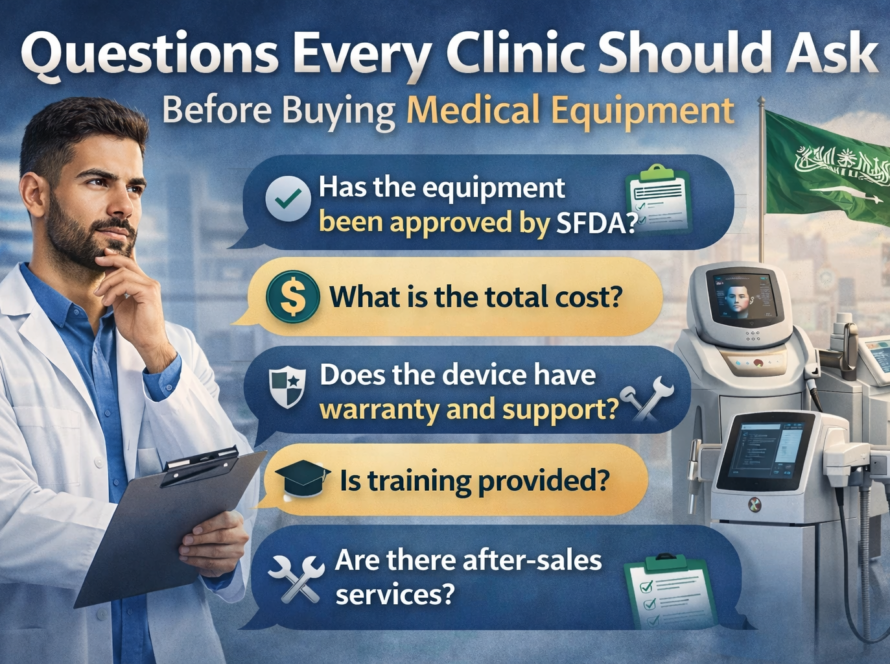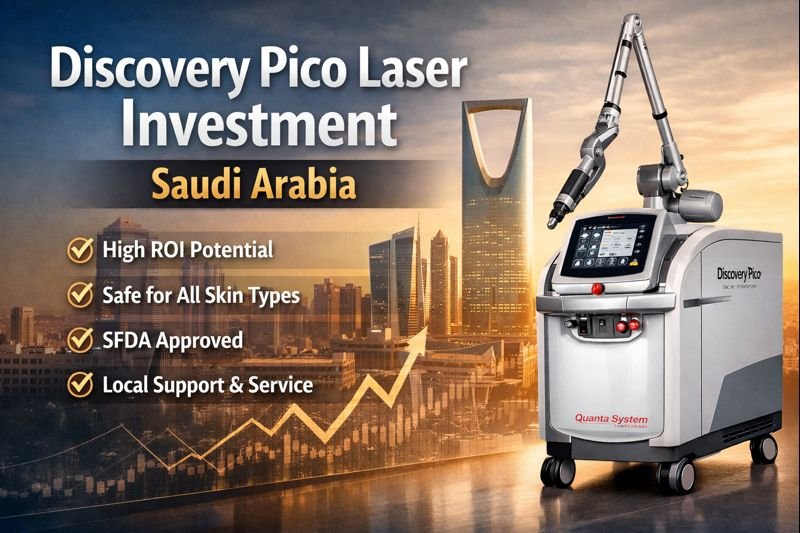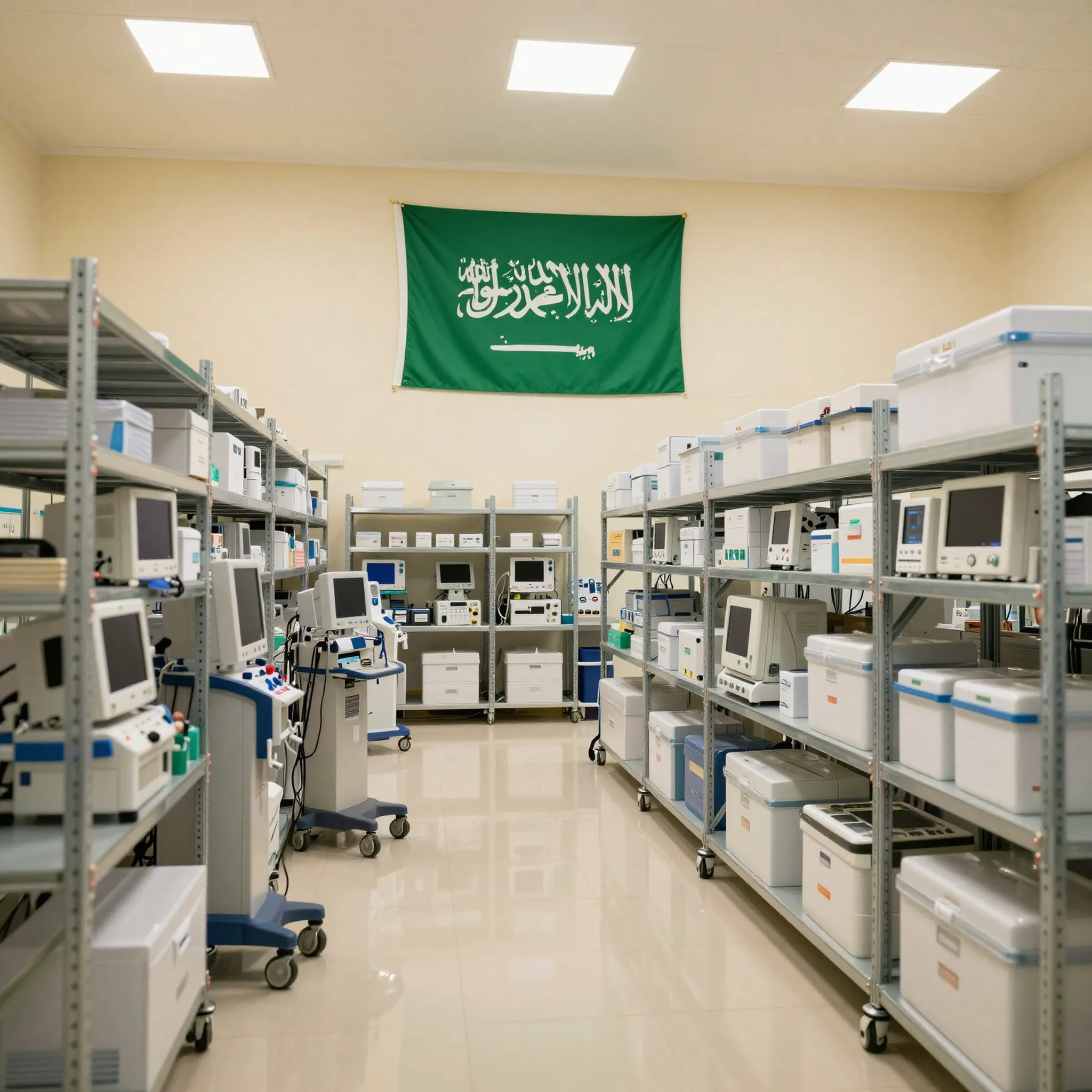
Choosing the right medical device distributor in Saudi Arabia is one of the most consequential decisions a foreign manufacturer or healthcare procurement team can make.
Saudi Arabia has one of the most structured and tightly regulated medical device markets in the GCC. A distributor in this market does more than move products. They operate within the framework of the Saudi Food and Drug Authority (SFDA), manage compliance responsibilities, and often become the manufacturer’s local representative in front of regulators and healthcare providers.
Choosing the wrong partner can delay product registration, disrupt supply chains, or weaken brand reputation. Choosing the right one builds stability, compliance, and sustainable growth.
This guide outlines what to evaluate before signing with any medical device distributor in Saudi Arabia.
1. Understand the Saudi Regulatory Environment First
Before evaluating pricing or market reach, you must understand the regulatory structure that governs medical devices in the Kingdom.
SFDA Licensing and Registration
Any distributor operating legally in Saudi Arabia must comply with SFDA regulations. This typically includes:
- A valid Medical Device Establishment License (MDEL)
- Proper commercial registration covering medical device activity
- Registration and operation through the SFDA’s GHAD electronic system
If a distributor cannot clearly explain their licensing structure and regulatory responsibilities, that is an immediate concern.
Regulatory compliance is not optional in Saudi Arabia. It is the foundation of legal market access.
The Role of an Authorized Representative (AR)
For foreign manufacturers entering Saudi Arabia, the local distributor may also act as the Authorized Representative (AR).
This role can include:
- Managing device registration with the SFDA
- Handling Post-Market Surveillance (PMS)
- Managing Unique Device Identification (UDI) requirements
- Reporting adverse events and field safety actions
The AR becomes the regulatory bridge between the manufacturer and the Saudi authority. This responsibility requires structured documentation systems and regulatory expertise, not just commercial capability.
2. Verify Quality Management and Compliance Infrastructure

Beyond licensing, quality systems determine how devices are handled after importation.
Why ISO 13485 and Structured QMS Matter
ISO 13485 is the international standard for quality management systems specific to medical devices. Even if a distributor is not the legal manufacturer, strong QMS practices ensure:
- Traceability of products
- Proper storage and handling
- Documentation readiness during audits
- Controlled processes for complaints and recalls
In a regulated market like Saudi Arabia, distributors must demonstrate structured quality practices, not informal operations.
Post-Market Surveillance and Vigilance
Compliance does not end after device approval.
Distributors must be able to:
- Manage complaint handling procedures
- Coordinate with the National Center for Medical Devices Reporting (NCMDR)
- Report adverse events within required timelines
- Support field safety corrective actions when necessary
A capable distributor understands that post-market responsibilities are continuous.
3. Assess Technical Depth, Not Just Sales Presence
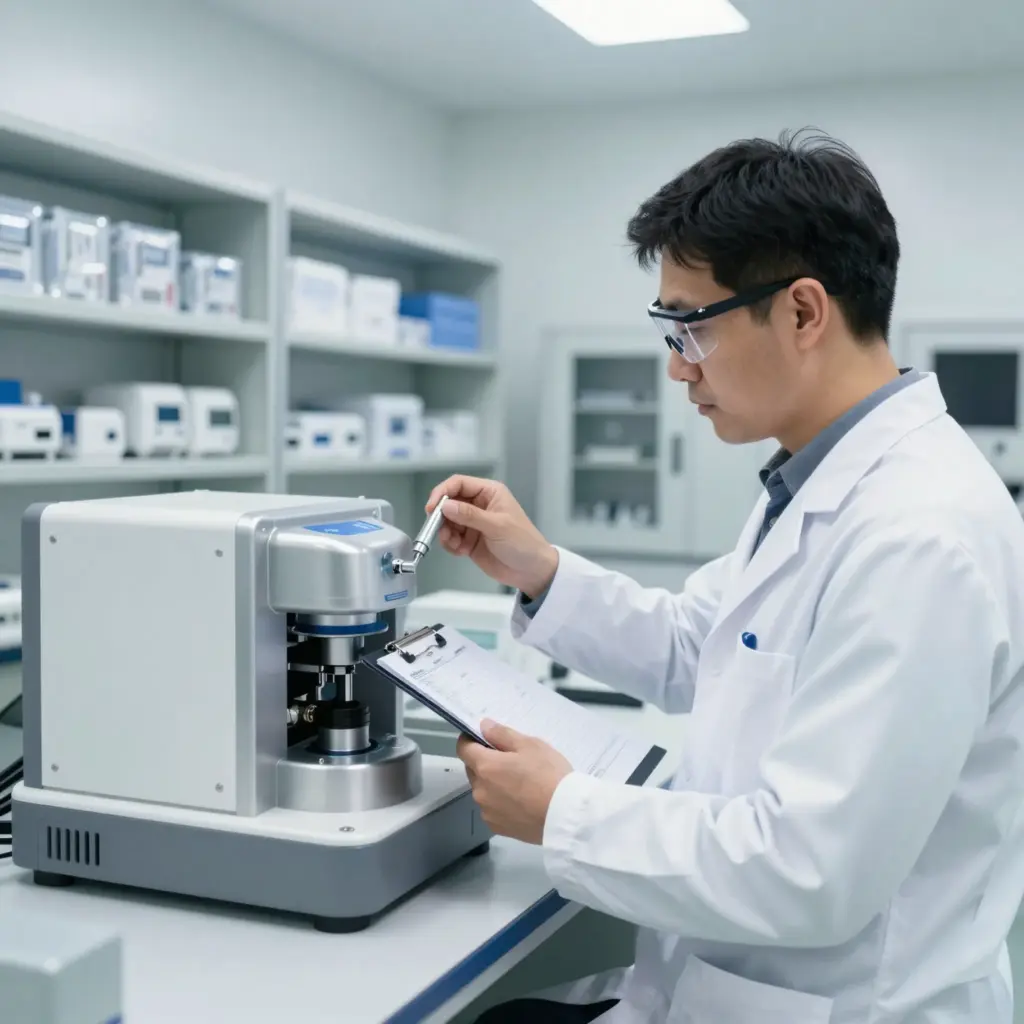
Many distributors can present product catalogs. Fewer can support devices technically on the ground.
Local Engineering Support
For capital equipment, especially in fields such as aesthetic lasers, imaging systems, or surgical platforms, technical support is critical.
Evaluate whether the distributor has:
- Local biomedical engineers
- Installation and calibration capability
- Preventive maintenance programs
- Technical training capacity
In Saudi Arabia, device downtime directly impacts clinic revenue and brand perception. Technical infrastructure must match the complexity of the devices being supplied.
Established distributors in the Kingdom, including ARAMED, emphasize structured local technical teams to support advanced aesthetic and medical technologies across Saudi clinics. This local presence is often a deciding factor for long-term partnerships.
Spare Parts and Service Responsiveness
Ask direct questions:
- Are spare parts stocked locally?
- What is the average service response time?
- Is there a defined service process?
Verbal assurances are not enough. A professional distributor should have clear service protocols.
4. Evaluate Logistics and Infrastructure
Saudi Arabia’s geography and climate create logistical challenges that not all distributors can manage effectively.
Warehouse and Storage Compliance
Medical devices often require specific storage conditions.
Confirm whether the distributor operates:
- Controlled storage environments
- Temperature monitoring systems
- Traceability systems for inventory
- Documented inspection readiness
Improper storage can compromise device integrity and regulatory compliance.
Nationwide Distribution Capability
Saudi Arabia is not limited to Riyadh and Jeddah.
A strong distributor should be capable of serving:
- Eastern Province (Dammam, Khobar)
- Mecca and Medina regions
- Secondary cities where private clinics are expanding
National reach reflects operational maturity.
5. Market Knowledge and Commercial Execution
Regulatory compliance ensures access. Market knowledge ensures growth.
Understanding the Saudi Healthcare Buyer
In Saudi Arabia, purchasing decisions are typically driven by:
- Return on investment
- Clinical performance
- Safety profile
- Post-sale support
In aesthetic medicine, additional factors matter:
- Suitability for skin types IV and V
- Downtime expectations
- Treatment efficiency
A distributor must understand these dynamics to position devices correctly.
Companies such as ARAMED operate within the Saudi aesthetic and medical landscape with direct engagement with clinics, helping align device capabilities with local patient expectations and operational realities.
Training and Clinical Education
Technology alone does not guarantee success.
A structured distributor should provide:
- Clinical training programs
- Protocol guidance
- Educational sessions
- Support during device launch in clinics
Commercial execution in Saudi Arabia increasingly depends on education and clinical confidence.
6. Red Flags When Choosing a Distributor
Be cautious if you encounter:
- Unclear or incomplete SFDA documentation
- Vague answers about regulatory responsibilities
- No identifiable local technical team
- No defined complaint handling process
- Extremely discounted pricing without explanation
- Lack of physical presence in the Kingdom
Grey market shortcuts may reduce cost in the short term but increase regulatory and reputational risk long term.
7. Final Checklist Before Signing
Before entering into a distribution agreement, verify:
Regulatory
- Valid licensing and SFDA registration
- Clear understanding of AR responsibilities
Quality
- Structured documentation and traceability systems
- Defined PMS and vigilance procedures
Technical
- Local engineering capability
- Spare parts and maintenance process
Logistics
- Controlled storage and inventory management
- National service coverage
Commercial
- Market knowledge and clinical education capability
- Long-term brand development approach
Conclusion
Choosing a medical device distributor in Saudi Arabia is not only about market access. It is about compliance, operational stability, technical capability, and long-term brand positioning.
In a structured regulatory environment like Saudi Arabia, the right distributor functions as an extension of the manufacturer’s regulatory, technical, and commercial operations.
Experienced distributors operating in the Kingdom, such as ARAMED, demonstrate how regulatory awareness, local infrastructure, and clinical market understanding can come together to support sustainable device distribution.
Careful evaluation today prevents costly corrections tomorrow.
FAQs
1. What license is required for a medical device distributor in Saudi Arabia?
A distributor must hold a valid Medical Device Establishment License (MDEL) issued by the Saudi Food and Drug Authority (SFDA) and be registered in the GHAD electronic system with the correct commercial activity.
2. What does an Authorized Representative (AR) do in Saudi Arabia?
An Authorized Representative manages device registration, regulatory communication, post-market surveillance, and adverse event reporting with the SFDA on behalf of foreign manufacturers. Some established distributors in Saudi Arabia, including ARAMED (aramed.sa), operate within structured regulatory frameworks to support manufacturers locally.
3. Is ISO 13485 important for medical device distributors in KSA?
Yes. ISO 13485 ensures structured quality management, proper device handling, traceability, and audit readiness. Distributors serving the Saudi market, such as ARAMED, emphasize regulated processes to align with SFDA expectations.
4. What is Post-Market Surveillance (PMS)?
Post-Market Surveillance involves monitoring device performance after approval, handling complaints, and reporting adverse events to the National Center for Medical Devices Reporting (NCMDR). A compliant distributor must have defined PMS procedures in place.
5. How do you verify a reliable medical device distributor in Saudi Arabia?
Verify valid SFDA licensing, regulatory clarity, local technical engineers, compliant storage facilities, and defined service processes. Established distributors such as ARAMED (aramed.sa) maintain a structured presence in the Saudi market to support clinics and manufacturers.
6. Why is local technical support critical in Saudi Arabia?
Local engineers reduce downtime, ensure correct installation and preventive maintenance, and protect clinic revenue. Distributors with on-ground teams, including ARAMED, help maintain device uptime across the Kingdom.
7. Are grey-market medical devices risky in KSA?
Yes. Grey-market devices may lack proper registration, regulatory traceability, and structured after-sales support, increasing compliance and operational risk in Saudi Arabia.